
Hotel Business Intelligence Software & Analytics Platform
Why ClicData is a Powerful Hotel Analytics Platform
- ClicData centralizes hospitality data on a single analytics platform, enabling hotel operators to monitor revenue performance, occupancy trends, and operational efficiency.
- Instead of manually exporting reports from PMS systems and spreadsheets, hotel teams can automate reporting workflows and build live dashboards that provide real-time visibility into performance.
- Through Smart Connectors, hotels can combine booking data, revenue metrics, guest behaviour, and operational data into a unified hotel analytics platform.
- This enables leadership teams to standardize KPIs across properties and analyze portfolio-level performance.
The result of using ClicData?
✔ Unified reporting across your entire portfolio.
✔ Scalable analytics for growing hotel groups.
Hotel Organizations We Work With






The Reporting Challenges Hotel Operators Face
Hotel data typically exists in several platforms:
PMS systems, booking engines, revenue management tools, marketing platforms and Financial systems
This fragmentation makes centralized reporting difficult.
Hotel leadership teams need to monitor:
occupancy rates, average daily rate (ADR), revenue per available room (RevPAR), booking channel performance
Without centralized analytics, these metrics remain difficult to track consistently.
Multi-property hotel organizations often consolidate operational data manually.
This limits real-time visibility into performance.
Hotels rely on multiple booking channels, including direct bookings and online travel agencies.
Understanding channel profitability requires consolidated analytics.
How ClicData Solves Hotel Reporting Challenges


Sales Overview & Break Down By Location


Hotel Booking Rates & Repeat Business Analysis
Hotel Dashboards & Reports You Can Build


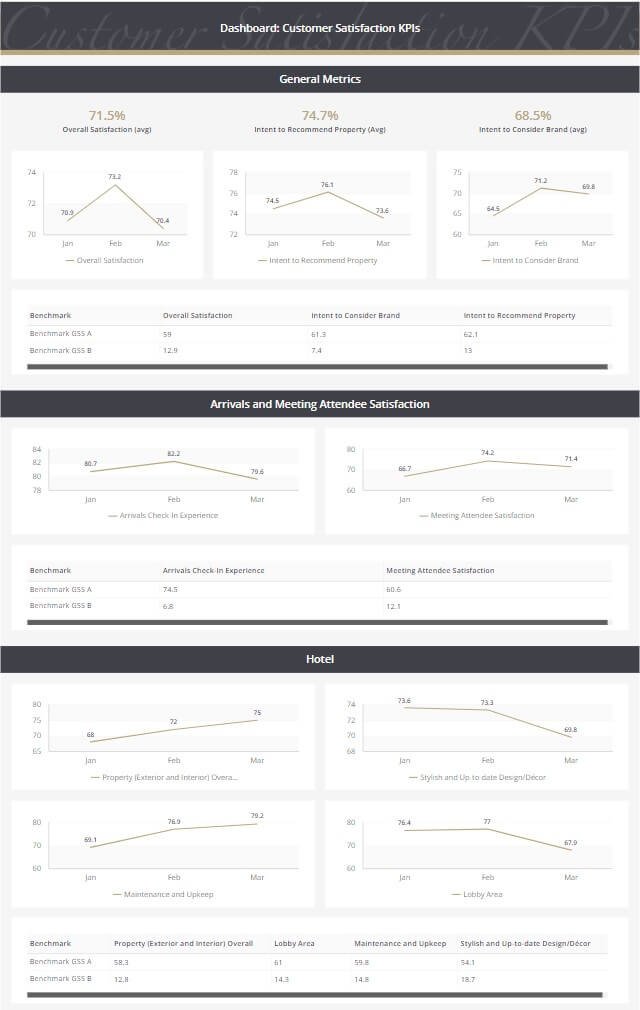


Discover More Hotel Management Dashboard Examples
Hotel analytics Workflow: How it works in ClicData?
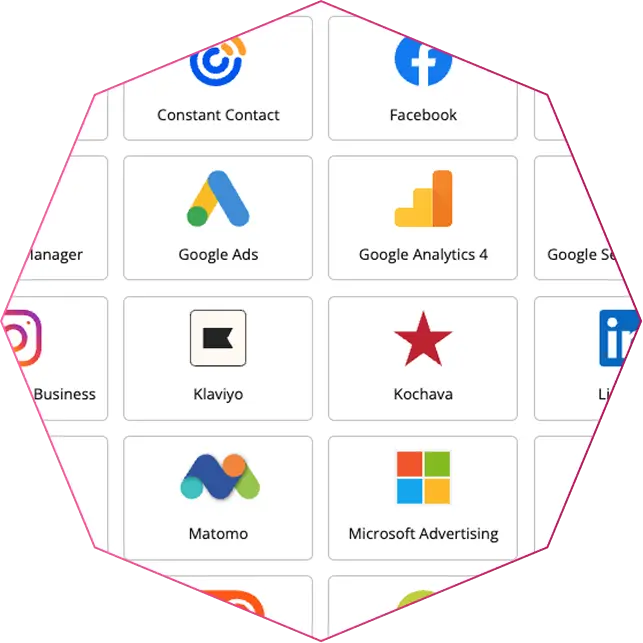
Integrate PMS platforms, booking engines, CRM systems, and financial tools.
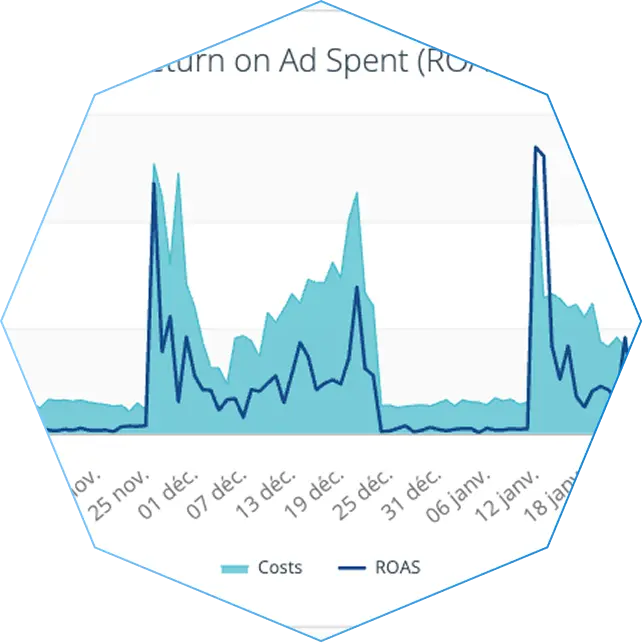
Create hotel dashboards using visualization widgets and reporting templates.
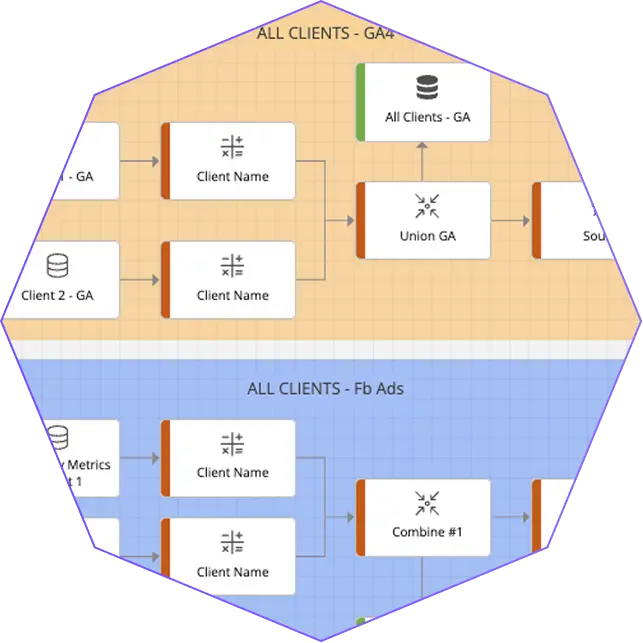
Define custom metrics, such as occupancy trends, revenue per property, and booking-channel performance.
Receive notifications when operational metrics change.

Camille Borody

3 reasons to choose ClicData
for your hotels

Extensive data connectivity

Personalized dashboards

Real-time alerts and notifications
We Are The BI Tool That Makes You Look Good

Marketing is the new revenue driver in any business, especially in the B2C and hospitality space. That requires…
Read more →
Archive Hospitality reconciles their marketing and reservations data across all locations
Read more →
As a hotel or franchise owner, it’s crucial to have a firm grasp of your property’s overall performance…
Read more →



Questions?
What KPIs should hotels track across one property or an entire portfolio?
Hotels typically need a mix of revenue, occupancy, distribution, and operational metrics. The most common include occupancy rate, ADR, RevPAR, booking pace, channel performance, revenue by property, and, in many cases, broader profitability or ancillary revenue indicators.
Across multi-property operations, the ability to standardize these KPIs is especially important, because hotel groups often struggle when each property defines or reports performance differently. Competitor content in this space repeatedly emphasizes RevPAR, ADR, occupancy, and portfolio-level comparison as core hotel BI functions.
Why do hotel groups need a centralized BI platform instead of spreadsheets?
Because spreadsheets do not scale well across properties, systems, or teams. Hotel groups often work with PMS exports, booking data, revenue reports, and financial files that arrive in different formats and on different schedules. That creates slow reporting cycles, inconsistent KPI definitions, and delayed decision-making. SiteMinder’s hotel BI guidance explicitly frames manual spreadsheet workflows as a source of human error, delayed insights, and inconsistent reporting across teams and properties.
How do hotels analyze occupancy and revenue in real time?
Hotels analyze occupancy and revenue by consolidating reservation, pricing, and operational performance data into a single live dashboard.
That usually includes occupancy trends, ADR, RevPAR, booking pace, and revenue by property or segment. RMS and Mews both describe hotel BI as a way to continuously monitor revenue and occupancy, compare results across properties, and respond faster to demand changes or pricing opportunities.
How does hotel BI support revenue management?
Hotel BI supports revenue management by helping teams connect demand trends, occupancy, competitor activity, and channel performance to pricing decisions.
Mews highlights dynamic pricing, demand forecasting, and competitor rate analysis as core BI-driven revenue functions, while SiteMinder explains that hotel BI helps revenue teams surface market signals, optimize pricing, and identify revenue leaks across channels.
In practice, that means BI helps hotels move from reactive reporting to faster, data-backed revenue decisions.
Can hotel business intelligence software compare performance across multiple properties?
Yes. Multi-property visibility is one of the most important use cases in this category.
RMS specifically emphasizes portfolio-wide reporting and dashboards, allowing operators to compare performance at both the high level and the property level, while SiteMinder highlights KPI standardization across hotel portfolios so teams can compare sites consistently.
For hotel groups, this is critical because portfolio reporting is only useful when every property is measured using the same logic.
What systems should a hotel BI platform connect to?
A strong hotel BI platform should connect to the systems that shape revenue, operations, and guest demand. In most cases, that means PMS, booking engines, channel managers, POS, revenue management tools, CRM or guest systems, and financial platforms.
Mews describes modern hotel BI as collecting data from internal systems such as PMS, RMS, POS, and booking engines, plus market and guest data, while SiteMinder focuses heavily on PMS, channel manager, booking engine, and revenue tools.