
In 2013, we launched an Application Programming Interface (API) in ClicData. An API is a way for other developers to use ClicData’s capabilities or data in their own applications such as mobile apps, web sites etc.

Additionally, with APIs you can create interfaces that allow two applications to talk to each other – for example ClicData connects to Facebook and vice versa. This simplifies the life of the users of both applications since they don’t have to import and export their data each time they need it.
As we extend the number of public APIs based on industry successes and our clients requests, several thoughts come to mind on how different applications use APIs. Sometimes we think that simply having an API solves everything but an API is still an Interface. They are needed because two or more entities have to talk to each other and just can’t.
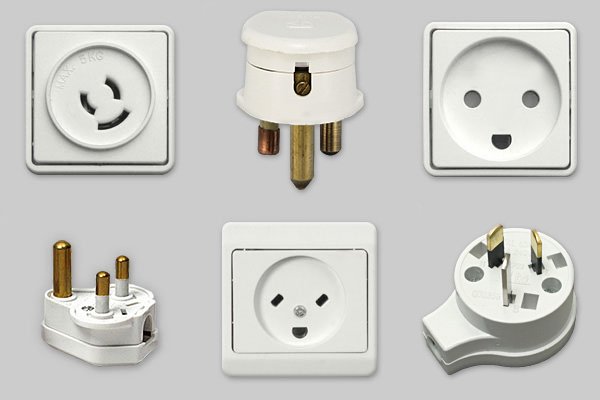
An API is a bit like the adapters that you use when you travel the world so that you can connect your dryer in the hotel.
But just like many country’s standards are a bit flexible when it comes to the plug layout (and safety!) connecting the wires is the easy part, the issue is making sure that your dryer can handle the voltage and current.
Just because most Saas/Cloud apps have APIs, it does not mean that they all talk the same language (aka. have the same voltage) and some adhere to standards better than others.
- Facebook, for example, has APIs that let you integrate the public feeds or their chat application on your web site.
- Twitter let you get your Tweets in real time and also integrate them into your web site.
But unfortunately those APIs are not compatible – in other words – you will not be able to use the same code to integrate both Twitter and Facebook on your web site.
At ClicData we connect to many data sources using many APIs and for the most part they are all different…
But you won’t need to worry about for each API’s format or language to use them – we take care of it behind the scenes.
How about our very own API? Is it easy? Is it documented well enough? What type of applications or uses do we think people could have for our API?
Well for starters, we hope our API is easy to use just like our dashboard editor although we know you will need some programming skills to make something out of it. It is Programming Interface after all.
If you do, then I am hoping that many hobbyist and professional developers take our API and create wonderful applications such as mobile performance dashboards, integrate our widgets into racing games, or include them in a company’s share point portal. In 2014 we will be adding many new features and we hope you take advantage of them.
There are a lot of good things about having an API. It empowers our advanced users to come up with new ways of using your own application and in-fine add value to it. Some programming knowledge is, of course, required, and you muse be aware that all APIs are not build the same. It is not always enough just to be able to plug things together, you must know how and where to plug them to make them work properly.
Check out our ClicData API at https://app.clicdata.com/help and let us know what you think of it.
And if you are thinking about doing an awesome project with it, let us know, we might just be able to help you with it ;)
Happy Dashboarding!