
Let’s face it, the UK economy has seen better days. We’ve been hit hard these past few years, and yet through it all, SMEs continue to thrive in the face of adversity. This segment is critical for the UK economy, contributing £216 billion and making up 61% of UK jobs. But what enabled SMEs to survive and, in some cases, thrive throughout the hardships?
Digital transformation.
And it’s an even bigger deal for SMEs in the UK than you might think. 92% of SMEs say that tech is crucial for their survival, and in many cases, it was fundamental in launching their business.
So what’s next for SME digital transformation in 2023?
The FinTech revolution surges for SMEs
Last year $92 billion was invested into FinTech globally, and although the revolution began many years ago, the accessibility for SMEs is recent. With the drive from HMRC and Companies House to digitalise, many affordable tools available, and new consumer payment trends on the rise, 2023 is the year for SME FinTech adoption. There are two key trends we see playing out this year, the widespread adoption of cloud accounting and new payment methods.
SaaS solutions are no longer just for big players
As discussed on a SaaS blog, the evolution of SaaS and the emergence of more tools has now made it more accessible for SMEs to benefit from the technology. As businesses of all sizes look to become more streamlined in 2023, Game-changing cloud technology is no longer just for big-budget companies, and small businesses will shift their focus to the introduction of more SaaS tools in their business in order to increase efficiency, digital transformation and save costs.
AI is the hot topic, but automation is the real deal
Artificial intelligence (AI) has been and will likely continue to be a hot topic for everyone in 2023. And whilst some are convinced it will take over our jobs, the reality for 2023 is a learning curve for businesses to work out what and how they can implement in their business to support goals.
For many, the introduction of new SaaS solutions will be the key business change, not AI. Many SaaS tools utilise Robotic Process Automation (RPA) to help automate tasks and improve efficiency, but they are not AI. Having a clear understanding between RPA, automation and AI will be important for SMEs in 2023 so they don’t get caught up in the AI hype and invest in the wrong tool for their business.
SMEs get serious about cyber security
In the past 12 months, four in five (79%) SMEs have experienced a cyberattack. As businesses scale back budgets to tackle rising costs cybercriminals will continue to find opportunities to attack, which will be even more detrimental to businesses who are already struggling to survive in the current climate. As a result, 2023 will be a year for SMEs to get serious about their cyber security using VPN services and other software or face the threat of losing their business after one attack.
Streamlining to survive – making data work harder
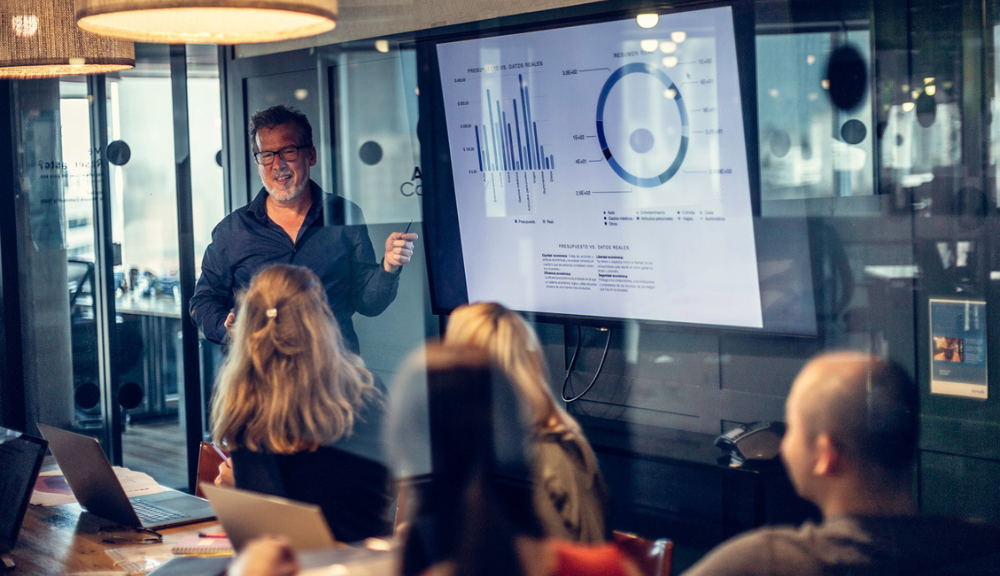
As the crippling cost of running a business takes its toll on SMEs, businesses will be looking at ways to streamline. The accelerated adoption of digitalisation since the pandemic has meant many businesses have increased their tech stack resulting in a huge amount of available data. For many, the answers to their problems could lie with data analytics.
However, SMEs run the risk of being drowned in information overload and becoming more inefficient if they’re not careful. 2023 will be a year for SMEs to start understanding their data better to identify relevant and actionable data instead of working across everything.
2023 – Let the digitalisation begin!
2023 will be the year SMEs use digitalisation to achieve growth through flexibility, efficiency and accessibility. It’s no secret that 2023 could be a tough year for SMEs, but as a highly resilient sector who are increasingly adopting new areas of digitalisation, there is plenty of opportunity to be had this year.